Independent guidance. Clear answers. Measurable savings.
We get it: surprises aren’t in the budget. As your independent roofing consultant, we keep your costs to what’s truly required.
$400,000 Saved
For a commercial facility in Indiana
Investment with Alliance: $10,000
$375,000 Saved
For an HOA in Kentucky
Investment with Alliance: $40,425
$37,000 Saved
For a church in Oregon
Investment with Alliance: $18,175
$200,000 Saved
For a property management company in Indianapolis
Investment with Alliance: $7,000

Get honest answers from our Independent Roofing Consultants
Commercial roofing systems are complicated. You need expert advice to help you decide what your roof needs, how much you should pay and who you should hire. But commercial roofing contractors have one job to do: sell you a new roof.
Our team at Alliance Consulting & Testing are independent commercial roofing consultants. We’re all about education and integrity. We don’t sell roofing materials or roofing systems. Instead, we offer independent, honest answers that you need to make an informed decision about your commercial roof.
Services for each stage of your roof’s lifecycle

Stage 1:
Initial Independent Roof Inspection
Should the roof be replaced or does it just need repairs? Our inspection and evaluation will help you make the right call for your property.

Stage 2:
Roof Spec Writing & Bid Process
You know the roof needs to be replaced. Now what? We’ll write detailed specifications for your new system and help you get competitive bids.

StAGE 3:
Roof Replacement Quality Assurance
Is your contractor installing a quality roof? Frequent check-ins from our roofing experts determine the quality of the install.
Stage 4:
Annual Roof Inspections
After an initial inspection, we offer annual inspections to ensure your commercial building fulfills all warranty requirements and performs optimally.
Stage 1:
Initial Independent Roof Inspection
Should the roof be replaced or does it just need repairs? Our inspection and evaluation will help you make the right call for your property.
Stage 2:
Roof Spec Writing & Bid Process
You know the roof needs to be replaced. Now what? We’ll write detailed specifications for your new system and help you get competitive bids.
StAGE 3:
Roof Replacement Quality Assurance
Is your contractor installing a quality roof? Frequent check-ins from our roofing experts determine the quality of the install.
Stage 4:
Annual Roof Inspections
After an initial inspection, we offer annual inspections to ensure your commercial building fulfills all warranty requirements and performs optimally.
Additional Services

Building Envelope Analysis
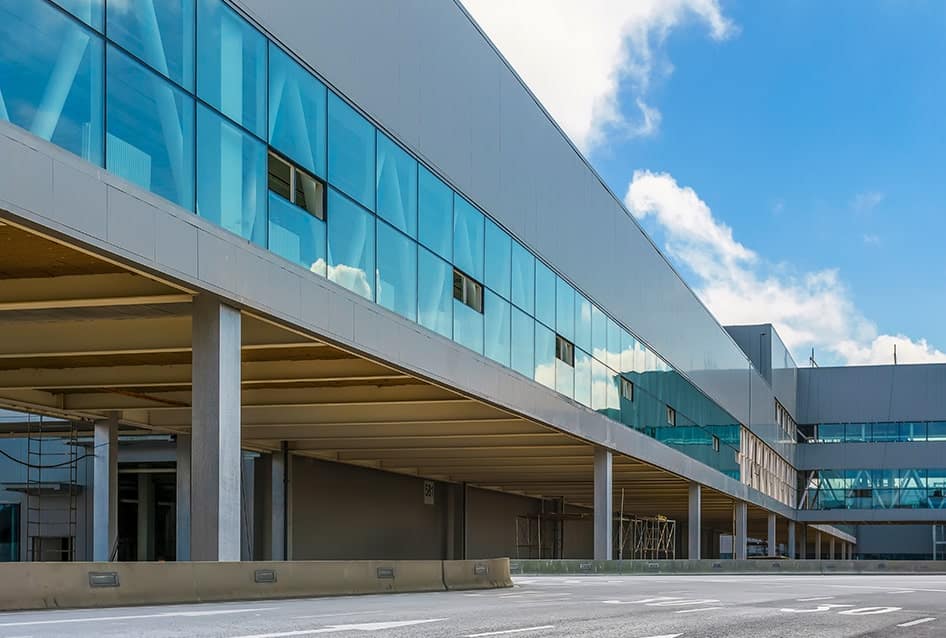
From ceilings to walls, our team will help you determine the cause of leaks in the entire building envelope.

Roof Repair/Replacement Consulting
Think replacement is the only option? We’ll go over, in detail, what can be done to your commercial roof to extend its useful service life.

Leak Detection
Notice spots on the ceilings or walls? Our team analyzes roofing systems to locate moisture intrusion and the impact it may have.

Expert Legal Witness
We aren’t “hired guns.” We provide the proven, expert documentation and answers you can present in a deposition and trial.
Building Envelope Analysis
The roof isn’t the only part of a building that can leak. Our team will help you determine the cause of leaks in the entire building envelope.
Roof Repair/Replacement Consulting
Think replacement is the only option? We’ll go over, in detail, what can be done to your commercial roof to extend its useful service life.
Leak Detection
Notice spots on the ceilings or walls? Our team analyzes roofing systems to locate moisture intrusion and the impact it may have.
Expert Legal Witness
We aren’t “hired guns.” We provide the proven, expert documentation and answers you can present in a deposition and trial.
sometimes, you need independent professional roofing consultants to weigh in.
here’s what you need to know about alliance:

knowledge is power
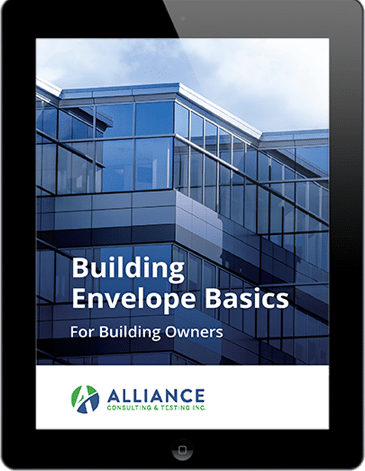
Download Building Envelope Basics for Building Owners.
From roofs to windows, this guide covers practical maintenance tips to help you avoid costly repairs, improve energy efficiency, and extend the life of your property.
Download your copy today and take the first step towards safeguarding your investment.
knowledge is power
We’re passionate
roofing educators and experts.
Our goal with every customer is to deliver the information they need. Because we aren’t selling roofing materials, we’re able to help you make a better, more informed decision about your roof.
Learn more about the costly mistakes you might make when buying a roof by downloading our roof information guide.
We work alongside you to help solve your roofing challenges. Ready to get started?